is aleve or ibuprofen better for inflammation Ibuprofen vs. naproxen: what to know about each
Aleve and Ibuprofen are two commonly used over-the-counter pain relievers. While they may seem similar, there are several key differences that you should be aware of. In this article, we will explore these differences and help you understand which one may be more suitable for your needs.
Aleve
 Aleve, whose active ingredient is naproxen sodium, belongs to a class of drugs known as nonsteroidal anti-inflammatory drugs (NSAIDs). NSAIDs work by reducing the production of certain chemicals in the body that cause inflammation and pain.
Aleve is mainly used to relieve pain caused by various conditions such as arthritis, menstrual cramps, muscle aches, and headaches. It is also effective in reducing fever and swelling.
One of the main advantages of Aleve is its long-lasting effect. It typically provides relief for up to 12 hours, so you don’t need to take it as frequently as other pain relievers.
Ibuprofen
 Ibuprofen, on the other hand, is another NSAID commonly used to relieve pain and reduce inflammation. Its active ingredient works similarly to Aleve by inhibiting the production of certain chemicals in the body.
Like Aleve, ibuprofen is effective in treating a wide range of conditions such as headaches, dental pain, menstrual cramps, and minor injuries. It is also commonly used to reduce fever.
Compared to Aleve, ibuprofen has a shorter duration of action. It provides relief for about 4 to 6 hours and needs to be taken more frequently to maintain its effect.
Key Differences
1. Duration of Action: As mentioned earlier, Aleve has a longer duration of action compared to ibuprofen. This means that you will need to take Aleve less frequently throughout the day.
2. Dosage: Aleve is typically taken every 8 to 12 hours, while ibuprofen should be taken every 4 to 6 hours. This can be a determining factor in choosing which medication is more suitable for your needs.
3. Side Effects: Both Aleve and ibuprofen can cause similar side effects such as stomach upset, nausea, and dizziness. However, Aleve is more likely to cause gastrointestinal side effects like stomach bleeding and ulcers.
4. Interactions: Both medications can interact with certain medications and health conditions. It is important to consult with a healthcare professional before taking any medication, especially if you are taking other medications or have underlying health conditions.
In conclusion, both Aleve and ibuprofen are effective pain relievers with their own unique attributes. While Aleve provides longer-lasting relief, ibuprofen may be more suitable for those who prefer a shorter duration of action or need to take medication more frequently. However, it is always best to consult with a healthcare professional before starting any medication regimen to ensure it is safe and appropriate for your individual needs.
If you are looking for Ibuprofen vs. Naproxen: What to Know About Each you’ve visit to the right place. We have 5 Pics about Ibuprofen vs. Naproxen: What to Know About Each like Is Aleve Ibuprofen | Public Health, Aleve vs Ibuprofen: 4 Main Differences that You Should Know About - 2021 and also Which Is Better Ibuprofen Or Aleve - PainKillersTalk.com. Here you go:
Ibuprofen Vs. Naproxen: What To Know About Each
www.healthline.comnaproxen ibuprofen vs aleve take if unit nsaids liver fatty disease nerve should transcutaneous pain tens electrical which stimulation relief
Aleve Vs. Ibuprofen: Which One Is Better?
 www.thelist.comAleve Vs Ibuprofen: 4 Main Differences That You Should Know About - 2021
markethealthbeauty.comaleve ibuprofen
Is Aleve Ibuprofen | Public Health
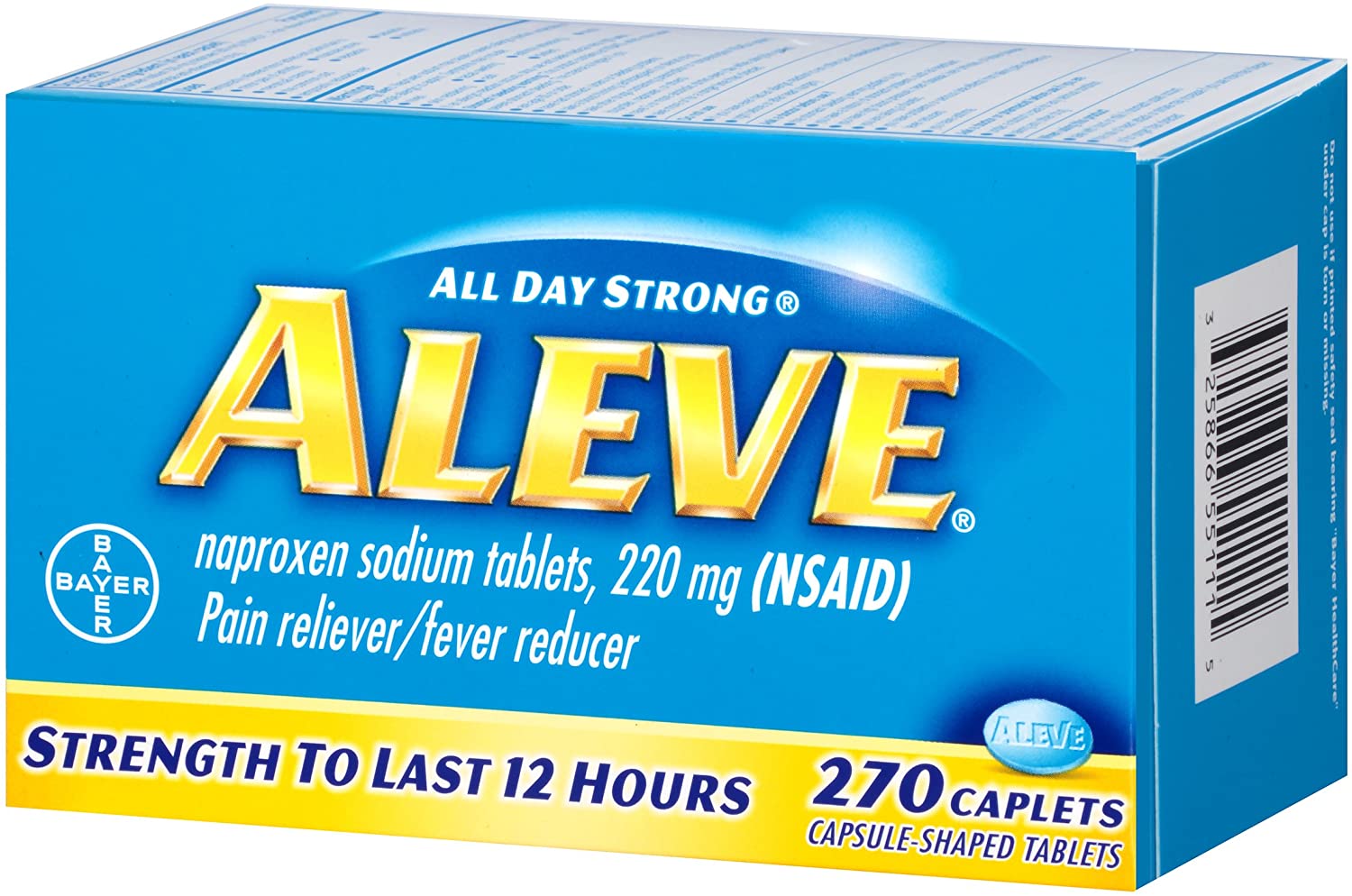 www.publichealth.com.ngaleve ibuprofen reliever reducer howchimp nsaid naproxen sodium caplets mucinex dosage publichealth ng
Which Is Better Ibuprofen Or Aleve - PainKillersTalk.com
 www.painkillerstalk.comAleve ibuprofen. Aleve vs ibuprofen: 4 main differences that you should know about. Ibuprofen vs. naproxen: what to know about each